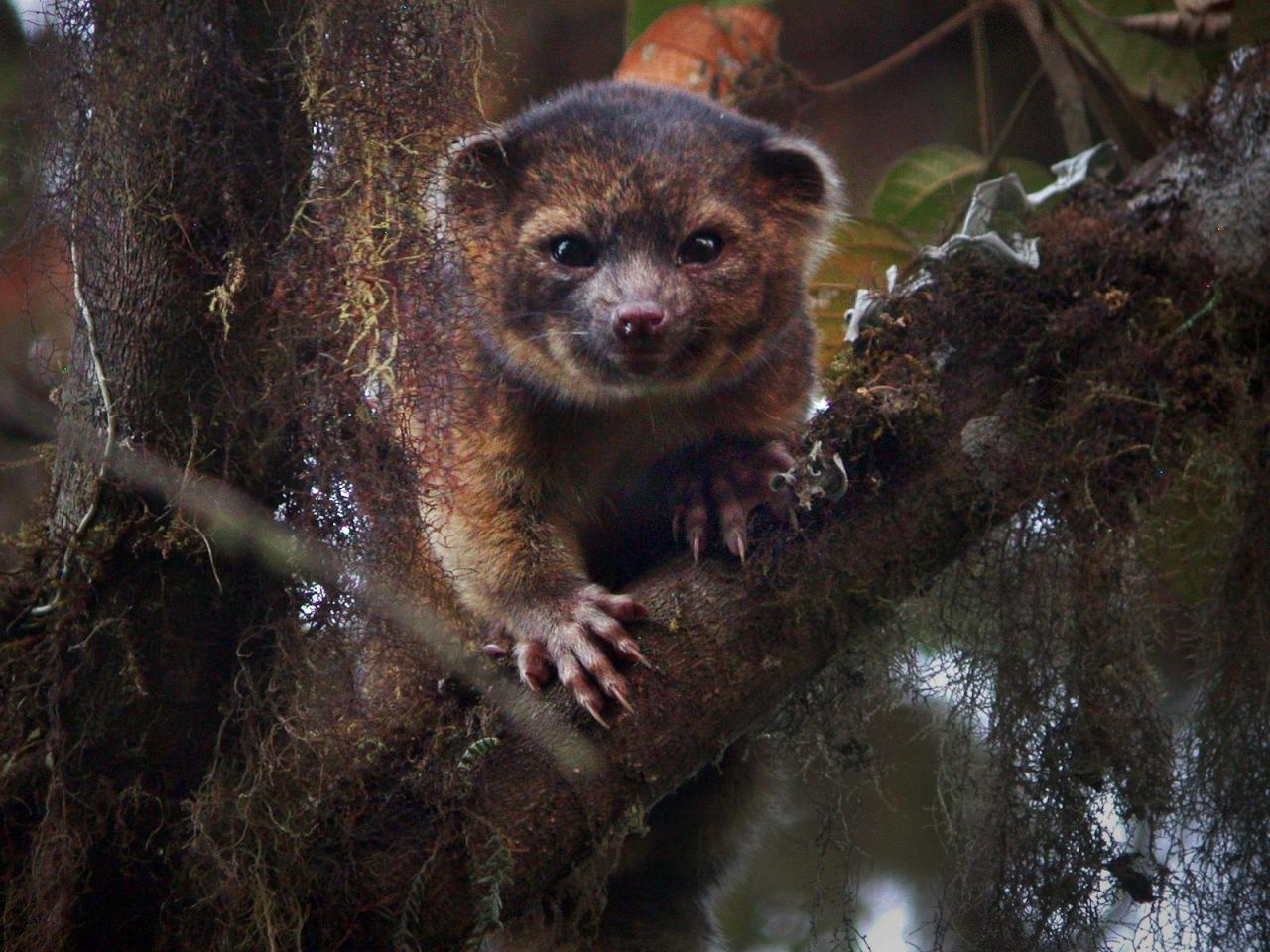
Did You Know? Surprising Animal Discoveries in 2025 opens the door to a fascinating world where new insights about our planet’s fauna continue to unfold. As scientists explore uncharted territories and engage in groundbreaking research, they are uncovering astonishing facts about animal behavior, adaptations, and species we never knew existed. This year stands out as a pivotal moment, revealing how much there is still to learn about the incredible diversity of life surrounding us.
The exploration of these discoveries not only highlights the ongoing evolution of the animal kingdom but also emphasizes the importance of conservation efforts and the need for a deeper understanding of the ecosystems we inhabit. From newly identified species in remote rainforests to astonishing behavioral changes in familiar animals, each revelation adds to the rich tapestry of biodiversity and reminds us of our responsibility to protect it.
Puzzles have been a beloved pastime for centuries, captivating minds and providing entertainment across generations. From ancient riddles to modern-day crosswords, puzzles come in various forms and complexities, each offering a unique challenge that engages both the brain and the spirit. In this article, we’ll delve into the fascinating world of puzzles, exploring their history, types, and the cognitive benefits they offer, all while ensuring a delightful reading experience.
The Rich History of Puzzles
Puzzles date back to ancient civilizations, with the earliest known examples originating from ancient Egypt and Greece. The Egyptians crafted intricate puzzles using hieroglyphics, while the Greeks enjoyed riddles that tested their wit and wisdom. The famous philosopher Plato even referenced riddles in his dialogues, highlighting their significance in intellectual discourse.
Fast forward to the 18th century, when the first modern jigsaw puzzle was created in England by John Spilsbury, a cartographer. He mounted a map on a wooden board and cut it into pieces, encouraging children to learn geography through play. This innovation laid the groundwork for the jigsaw puzzle industry we know today, which has evolved into a multi-billion-dollar market.
Diverse Types of Puzzles
As the years rolled on, the variety of puzzles expanded dramatically. Here are some popular types:
- Crossword Puzzles: A favorite among word enthusiasts, crosswords challenge solvers to fill in a grid with words based on given clues. These puzzles come in various difficulty levels and can be found in newspapers, magazines, and online platforms.
- Sudoku: Originating from Japan, Sudoku involves filling a 9×9 grid with numbers, ensuring that each row, column, and 3×3 subgrid contains all the digits from 1 to 9. This number puzzle has gained a massive following worldwide.
- Logic Puzzles: These brain teasers require deductive reasoning to solve. They often present a scenario with a series of clues, and solvers must piece together the information to arrive at the correct answer.
- Jigsaw Puzzles: These classic puzzles consist of interlocking pieces that depict an image when assembled. Ranging from a few pieces for children to thousands for enthusiasts, jigsaw puzzles provide hours of entertainment and satisfaction.
- Escape Room Puzzles: Based on the popular real-life game, these puzzles require participants to solve a series of challenges to “escape” a themed room within a set time. They combine elements of teamwork, problem-solving, and creativity.
The Cognitive Benefits of Puzzles
Engaging with puzzles is not just about having fun; it also offers a plethora of cognitive benefits. Here are some of the most notable:
- Improved Problem-Solving Skills: Puzzles challenge individuals to think critically and develop strategies to overcome obstacles. This practice enhances problem-solving abilities that can be applied in everyday life.
- Enhanced Memory: Many puzzles, especially those involving word play or number patterns, require a good deal of memorization. This mental exercise can help improve memory retention and recall.
- Boosted Mood: Completing a puzzle can produce a sense of accomplishment and satisfaction, leading to a boost in overall mood. This is often attributed to the release of dopamine, a neurotransmitter associated with pleasure and reward.
- Increased Focus: Working on puzzles requires sustained attention and concentration. Regular engagement can develop better focus and attention span, which is beneficial in both personal and professional settings.
- Social Interaction: Many puzzles can be enjoyed with friends and family, fostering social connections. Group puzzle-solving encourages teamwork and communication, enhancing relationships.
How to Get Started with Puzzles
Now that you’re intrigued by the world of puzzles, you might be wondering how to get started. Here are some tips to help you embark on your puzzling journey:

- Choose Your Type: Begin by selecting a type of puzzle that interests you the most. Whether it’s crosswords, Sudoku, or jigsaw puzzles, find something that piques your curiosity.
- Set Realistic Goals: If you’re new to puzzles, start with easier ones and gradually increase the difficulty as you become more comfortable. Setting achievable goals can keep you motivated.
- Create a Comfortable Space: Designate a quiet and comfortable area for solving puzzles. Having a dedicated space can help you focus and enjoy the experience fully.
- Engage with Others: Consider joining a puzzle club or participating in online forums. Sharing your experiences and challenges with fellow enthusiasts can enhance your enjoyment and provide valuable tips.
- Practice Regularly: Like any skill, regular practice improves your ability to solve puzzles. Dedicate time each week to work on different types, and you’ll see your skills sharpen over time.
Conclusion: The Endless Charm of Puzzles
The world of puzzles is a treasure trove of creativity, challenge, and community. Whether you’re tackling a complex crossword or piecing together a vibrant jigsaw, each puzzle presents an opportunity to engage your mind and enjoy the process. With a rich history, diverse types, and numerous cognitive benefits, puzzles are a timeless pastime that continues to bring joy and fulfillment to people of all ages.
So, gather your favorite puzzles, invite some friends over, or enjoy a quiet evening by yourself—whatever your preference, the enchanting world of puzzles awaits you. Happy puzzling!
FAQs: Did You Know? Surprising Animal Discoveries In 2025
What types of animals were discovered in 2025?
2025 saw the discovery of several new species, including unique mammals, reptiles, and various marine life, all showcasing the diversity of ecosystems around the world.
How do these discoveries impact conservation efforts?
New discoveries help prioritize conservation efforts by highlighting species that may be endangered or provide crucial information about their habitats and behaviors.
Are there any significant behavioral changes noted in known species?
Yes, researchers have documented surprising behavioral adaptations in familiar species, driven by changing environments and human interaction.
What role does technology play in these discoveries?
Advanced technologies, including remote sensing and genetic analysis, greatly assist scientists in locating new species and understanding their ecological roles.
How can the public get involved in conservation efforts?
The public can participate in conservation through citizen science projects, supporting wildlife organizations, and advocating for environmental policies.